Call-to-Action SMS: Cutting through the noise is harder than ever, but SMS remains one of the few marketing channels that guarantees attention.
With open rates as high as 98% and most messages read within just three minutes, SMS provides businesses with an unmatched opportunity to reach customers instantly.
But simply sending a text is not enough. To truly drive results, businesses must master the art of crafting Call-to-Action SMS (CTA SMS) messages, short, persuasive texts designed to prompt immediate action.
This guide examines 10 proven best practices for crafting compelling CTA SMS messages that capture attention, inspire action, and foster stronger customer relationships.
What is a call-to-action SMS?
A Call-to-Action SMS (CTA SMS) is a concise and persuasive text message designed to prompt recipients to take immediate action. The action can range from clicking a link, making a purchase, joining an event, redeeming a coupon, subscribing to a service, or even providing feedback.
Why call-to-action SMS is important for businesses
Reasons include:
- High engagement rate: People naturally check their phones frequently, and since SMS notifications appear directly on the screen, messages are rarely overlooked.
- Personalized communication: Customers respond better when messages feel tailored to their needs, making SMS a great way to build loyalty.
- Instant impact: Unlike other marketing forms that can be delayed, SMS creates immediate engagement, making it ideal for flash sales, reminders, or urgent alerts.
- Cost-effective marketing: Compared to running ads, SMS is relatively cheap yet delivers a higher ROI when executed properly.
10 Best practices for writing effective call-to-action SMS
The 10 best practices for writing effective call-to-action SMS include:
Keep it short and clear
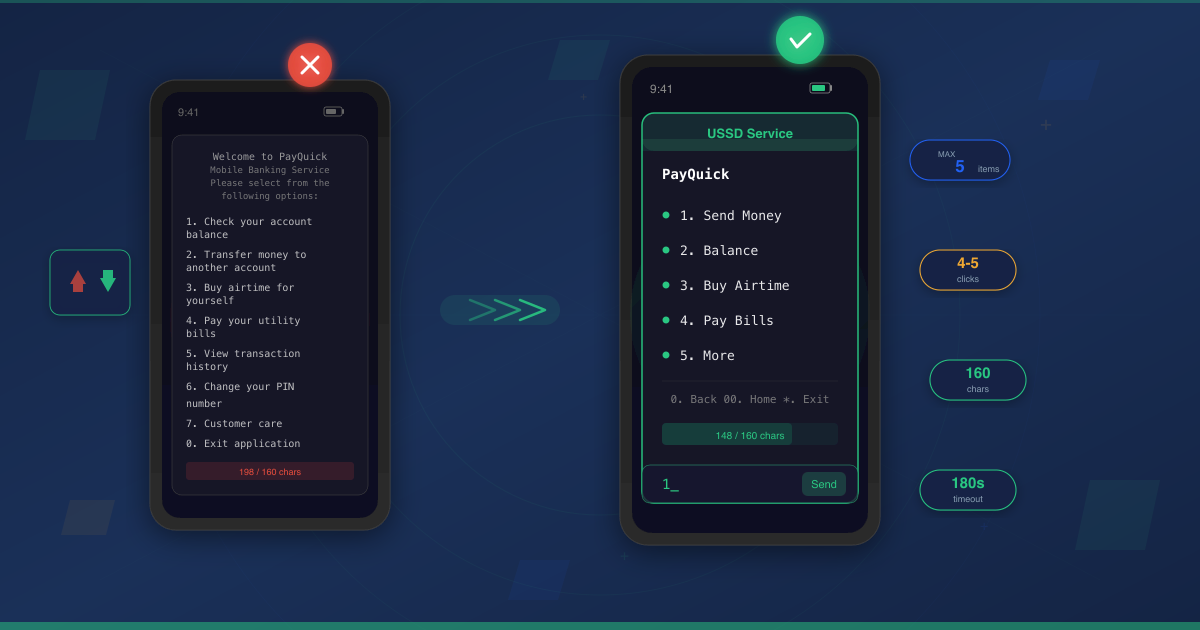
SMS has a 160-character limit, so every word must count. Your goal is to deliver your message in the simplest way possible without losing clarity.
Long, complicated texts often confuse recipients or get cut off on devices. Instead, use concise language and avoid unnecessary fluff. Example: “Flash Sale! 30% off all items ends at midnight. Shop now: (add link)”
Use strong action words
The power of your CTA lies in the verbs you choose. Strong action words like Shop Now, Claim, Join, Get, Download, Reserve, or Apply trigger an instant response.
Passive wording like Check out when you can sounds weak and unconvincing. Example: “Get your exclusive discount today! Click here: (add link)”
Create a sense of urgency
Humans are naturally driven by fear of missing out (FOMO). If your SMS implies that the offer is time-sensitive or limited, people feel compelled to act quickly rather than delay. Example: “Only 2 hours left! Free shipping on all orders. Don’t miss out: (add link)”
Personalize the message
Generic SMS blasts feel cold and impersonal, but personalization makes customers feel special. Addressing them by name, referencing past purchases, or suggesting products they like shows that your brand understands their preferences.
Example: “Hi Sarah, your favorite sneakers are back in stock! Grab yours now: (add link)”
Add a trackable link
A CTA without a link is incomplete. Including a short, trackable link lets you measure performance through metrics like click-through rate (CTR), conversion rate, and ROI.
Tools like Bitly, Rebrandly, or custom tracking links help shorten long URLs and give them a professional appearance. Example: “Reserve your seat today! Limited spots: bit.ly/eventsignup”
Offer real value
People ignore messages that don’t benefit them. Instead of sending random texts, ensure every SMS delivers real value, whether it is a discount, a freebie, exclusive access, or useful updates.
Example: “Your loyalty reward is here! Claim your GHS1,500 voucher today: (add link)”
Optimize timing
Even the best CTA SMS can fail if sent at the wrong time. Imagine sending a promo at 2 a.m., chances are your message will be ignored, deleted, or even irritate the recipient.
Research shows that messages sent during lunchtime (12–2 PM) or early evening (5–7 PM) have the highest engagement. But timing also depends on your audience; professionals, students, or parents all have different active hours.
Be compliant
SMS marketing is highly regulated under laws such as TCPA, GDPR, and DND (Do-Not-Disturb) rules. Always ensure you have customer consent before sending messages. Also, include an opt-out option like “Reply STOP to unsubscribe”.
Example: “Exclusive deal! 20% off your order today: (add link). Reply STOP to unsubscribe.”
Segment your audience
Not all customers want the same thing. By dividing your audience into smaller groups (e.g., VIPs, new subscribers, frequent buyers, inactive users), you can send tailored messages that match their specific interests.
Example:
- A VIP customer might receive: “Hi David, enjoy an exclusive 30% discount just for you: (add link)”
- A first-time buyer might see: “Welcome! Get 10% off your first order today: (add link).”
- An inactive user could get: “We miss you! Here’s 15% off to shop again: (add link).” Segmentation prevents the delivery of irrelevant messages and increases engagement.
Test and improve
No campaign is perfect the first time. The best way to refine your SMS strategy is through A/B testing. This means sending two variations of a message to small groups and measuring which performs better. You can test:
- Different CTA words (Shop vs. Buy)
- Offer types (Free shipping vs. 20% off)
- Sending times (morning vs. evening)
- Tone of voice (formal vs. casual)
Over time, continuous testing helps you discover what truly works for your audience and improves overall conversions.
Examples of effective call-to-action SMS
There are several ways businesses use CTA SMS effectively, depending on the goal. For example, a discount promotion works well with simple, enticing offers such as
- “Exclusive! 20% off your order.
- Shop today: (add link).” If the aim is to remind customers of an event, a message like “Don’t miss tonight’s webinar at 7 PM. Join here: (add link)” can increase attendance.
- For creating urgency, you could use: “Hurry! Free shipping ends in 3 hours. Claim now: (add link).”
- Meanwhile, if you want to gather customer feedback, a brief and polite message, such as “We value your opinion! Take a 1-minute survey: (add link)” can be very effective.
Turning texts into conversions
A Call-to-Action SMS is more than just a quick message; it is a direct bridge to your customer’s attention. When written clearly, concisely, and filled with value, it becomes a powerful tool that can drive sales, enhance engagement, and strengthen customer relationships.
To succeed, focus on personalization, urgency, segmentation, and continuous testing. By experimenting with different approaches and monitoring performance, businesses can unlock the full potential of SMS marketing and transform simple texts into reliable growth engines.
Start applying these strategies today and watch how a few carefully chosen words can reshape your marketing results.