In a digital landscape where attention spans are shrinking and inboxes are overflowing, SMS marketing has carved out a unique and powerful niche. Despite being one of the oldest forms of mobile communication, SMS (Short Message Service) remains remarkably effective. Its simplicity, directness, and unmatched open rates have made it a favorite for brands seeking immediate and personal contact with their customers. But what does the future hold for SMS marketing? As technology evolves and consumer behavior shifts, SMS marketing is also transforming. In this article, we will examine emerging trends, innovative applications, and the key factors that are shaping the future of SMS marketing for businesses, marketers, and consumers alike.
The key factors shaping the future of SMS marketing
The key factors shaping the future of SMS marketing for businesses, marketers, and consumers alike.
1. Why SMS marketing still matters
SMS marketing may seem old-fashioned compared to newer channels like WhatsApp, TikTok, or push notifications. In regions with limited internet access or where smartphone penetration is still growing (such as parts of Africa and Asia), SMS remains indispensable. Even in developed markets, it complements digital strategies by offering a reliable and immediate communication tool. This staying power is one reason the future of SMS marketing looks bright; it is not just surviving but evolving. Yet, it consistently proves its worth:
- 98% open rate (compared to email’s average of 20%)
- 90% of texts are read within 3 minutes
- Works on all phones, not just smartphones
- Does not require internet access
2. Hyper-personalization: SMS gets smarter
Gone are the days of generic mass texts. The future of SMS marketing is deeply tied to personalization, just as emails have evolved to include the recipient’s name, purchase history, or preferences; SMS is following suit. With the help of AI and customer data platforms, marketers can now segment their audiences more precisely. Dynamic content is also on the rise, where messages adapt based on location, behavior, or time of day, creating a more relevant and engaging customer experience. For example:
- A clothing store can send customers a text when a new arrival matches their size and style.
- A fitness app can send motivational messages based on a user’s workout history.
- A restaurant can offer a birthday discount via SMS.
3. Automation and AI: Driving efficiency and engagement
Automation has been a game-changer in email marketing, and it is also transforming the SMS landscape. AI-powered chatbots are even being integrated into SMS platforms. While this is still emerging, AI can handle fundamental customer service interactions via text, guide users through purchasing processes, or even assist with order tracking. This shift toward intelligent automation enables brands to deliver timely, context-aware messages at scale without compromising the human touch. With SMS automation tools, businesses can set up triggers that send messages based on customer actions:
- Abandoned cart reminders
- Appointment confirmations
- Payment alerts
- Follow-up surveys
4. Two-way conversations: From broadcast to dialogue
Traditional SMS marketing has been mostly one-sided: brands talk, customers listen (or ignore). But the future is conversational. Consumers now expect interactive experiences, not just promotional blasts. Two-way SMS enables users to respond, ask questions, give feedback, or take actions, such as replying “1” to confirm an order, or texting “HELP” to speak with a representative. Brands that treat SMS as a two-way communication channel will see better engagement and build stronger relationships.
This opens up new possibilities:
- Customer support via SMS
- Real-time polling and surveys
- SMS-based loyalty programs
- Transactional queries (e.g., balance checks, appointment rescheduling)
5. RCS Messaging: The next evolution of SMS
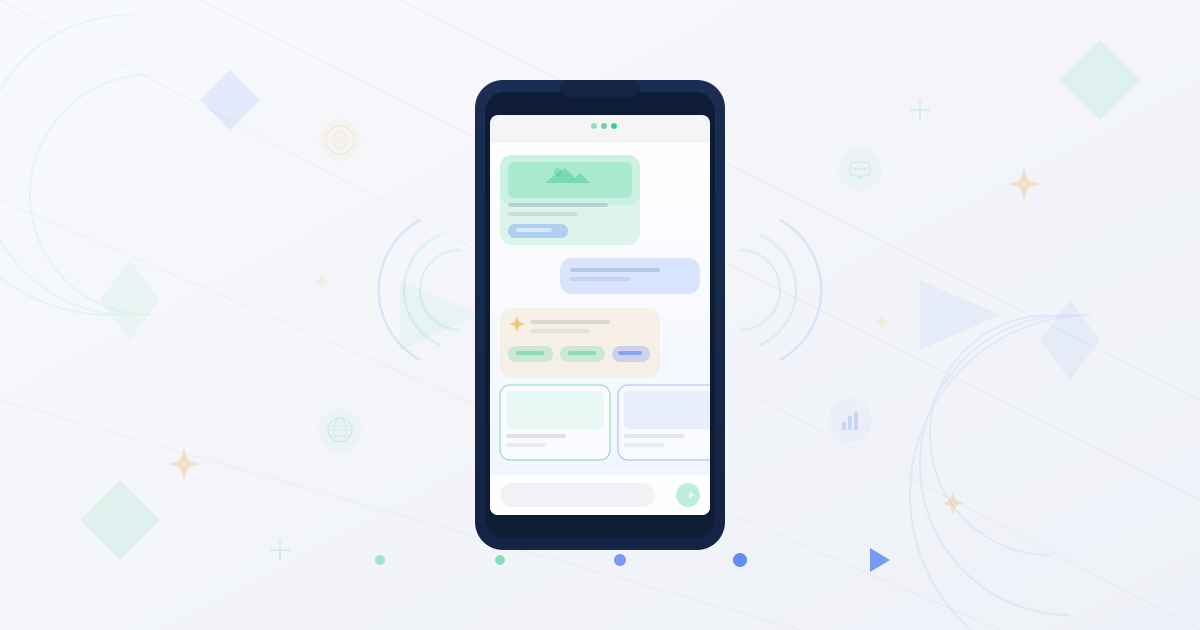
One of the most significant innovations in SMS reshaping is RCS (Rich Communication Services). RCS bridges the gap between SMS and apps like WhatsApp or Messenger, offering an app-like experience directly in the messaging app. Though RCS adoption is still growing (it depends on mobile carrier support and Android phones), it is gaining traction, especially with support from Google. Brands like Subway and Papa John’s have seen significant lifts in conversion rates with RCS campaigns. If RCS becomes the new standard, SMS marketing will become richer, more visual, and more interactive. RCS is the next-generation protocol that enhances standard SMS with features like:
- Read receipts and typing indicators
- High-quality images and videos
- Carousels and quick-reply buttons
- Branded sender verification
6. SMS and omnichannel integration
The future of SMS is not in isolation; it is about integration. Businesses are shifting toward omnichannel strategies, where SMS integrates seamlessly with email, social media, apps, and websites to create a consistent customer experience. By combining SMS with other channels, businesses ensure messages are delivered on time and offer customers their preferred way of communicating. Example of an integrated flow:
- A customer abandons their cart online.
- They receive an email reminder.
- If unopened in 2 hours, they get a follow-up SMS with a discount code.
- They click the SMS link and complete the purchase.
- They receive an order confirmation via both email and SMS.
7. Security, trust, and regulation
As SMS marketing grows, so does the need for security and compliance. Failure to meet these expectations can damage brand trust. Marketers must prioritize permission-based marketing, maintain clear privacy policies, and ensure compliance with local regulations, such as GDPR, TCPA, or Nigeria’s NDPR. Spam, phishing, and scam texts are on the rise. This has led to:
- Stricter opt-in and opt-out requirements
- Better sender authentication (e.g., 10DLC in the U.S.)
- Tools to verify branded senders (important for financial and health industries)
In the future, customers will expect SMS from brands to be:
- Secure
- Verified
- Transparent about data usage
8. Regional growth and emerging markets
While SMS use in the West remains stable, growth is accelerating in emerging markets such as Nigeria, India, Kenya, and Southeast Asia. SMS will play a crucial role in bridging the digital divide as infrastructure improves, making essential information more accessible to a broader audience.
Reasons include:
- Lower smartphone and internet penetration
- Cost-effective communication
- High mobile phone usage
In these regions, SMS is being used for:
- Healthcare alerts (e.g., vaccination reminders)
- Election and civic information
- Mobile banking and fintech updates
- Retail promotions and flash sales
9. Use cases expanding beyond marketing
The future of SMS is not just about promotions and discounts; it is about utility. The line between marketing and service is becoming increasingly blurred. A well-timed delivery notification can enhance customer experience as much as a coupon. This functional use of SMS adds long-term value and keeps customers engaged beyond promotional offers. Businesses and institutions are using SMS for:
- Appointment scheduling and reminders (hospitals, salons)
- Delivery updates (e-commerce)
- Event check-ins and ticket confirmations
- Two-factor authentication and security codes
- Weather and emergency alerts
10. Preparing for the future: What businesses should you do now
To remain competitive as SMS marketing evolves, businesses should take the following steps:
- Build a clean, opt-in list: Don’t buy contacts. Focus on getting genuine subscribers who want to hear from you.
- Utilize segmentation and personalization: Send targeted content to the relevant audience based on their behavior, location, or preferences.
- Integrate with your tech stack: Connect your SMS tool with CRM, email marketing, and analytics platforms for smoother workflows and better data insights.
- Test and optimize: Regularly A/B test your messages to improve their effectiveness continually. Shorter vs longer texts, time of day, and call-to-action wording affect performance.
- Explore rich messaging: Stay updated on RCS availability in your region and prepare to upgrade from plain texts to richer interactions.
- Respect customer boundaries: Don’t over-message; frequency matters. Quality over quantity builds long-term engagement. By taking these steps now, businesses can future-proof their SMS strategy and capitalize on this evolving channel.
Why SMS still matters and what comes next
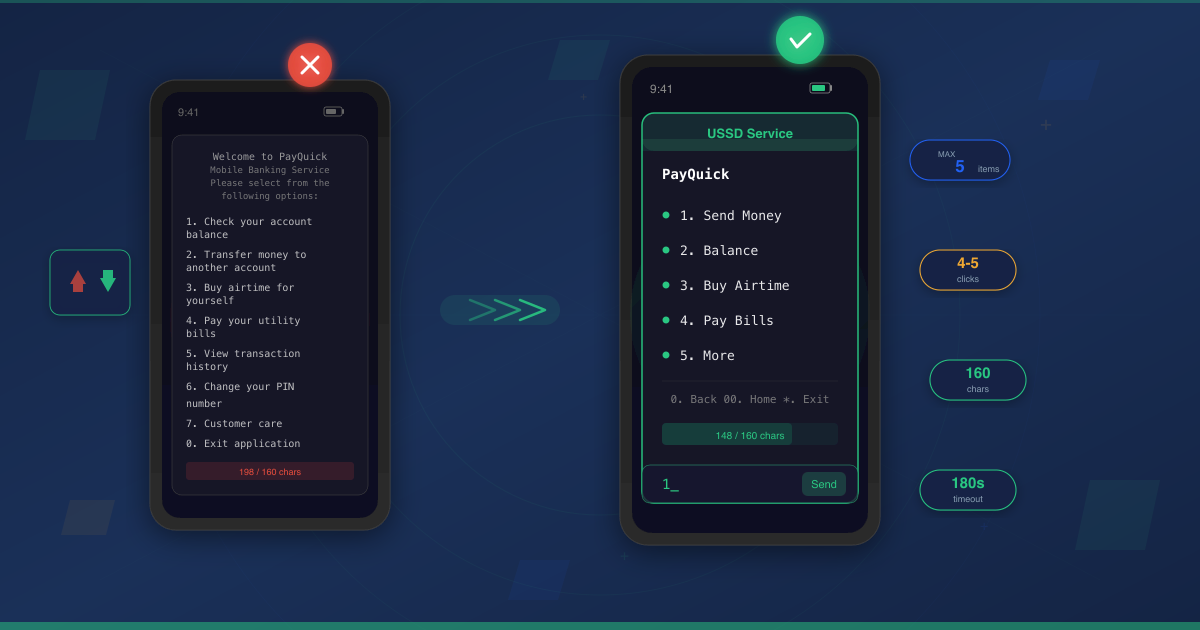
Despite newer technologies and trends, SMS marketing is far from obsolete. It is evolving into a more dynamic, intelligent, and integrated part of the marketing toolkit. SMS is becoming increasingly powerful and relevant with the addition of personalization, automation, rich media, and two-way communication. The future of SMS marketing is promising and essential for businesses that embrace these changes and prioritize the customer experience in their messaging. Are you a small business, a digital agency, or a global brand? Now is the time to rethink your SMS strategy and prepare for a future where simplicity meets sophistication and connection happens in 160 characters or fewer.