SMS, short for Short Message Service, is one of the most widely used communication tools today. From personal chats to business notifications, SMS remains a reliable method to reach people quickly. But like any tool, it comes with both advantages and disadvantages. Let’s take a closer look at the good and not-so-good sides of using SMS.
Advantages of SMS
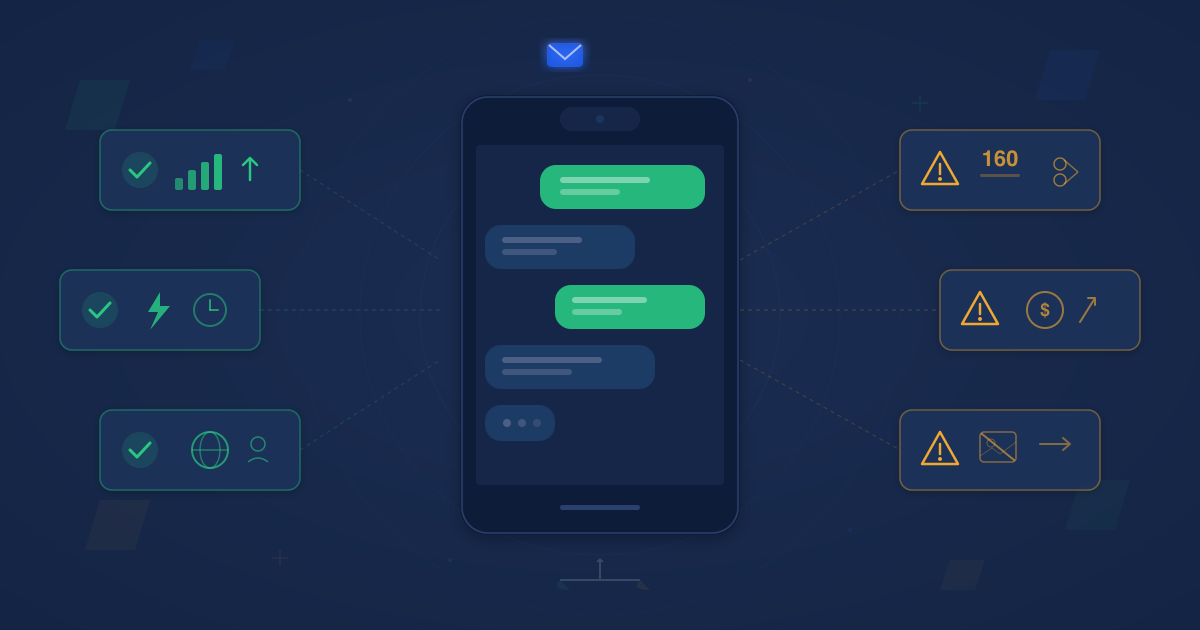
SMS remains one of the most reliable and widely used methods of communication. Whether for personal messages or business alerts, it offers simplicity, speed, and accessibility that make it a valuable tool even in today’s digital world. Here are some key benefits of using SMS. 1. Instant delivery: SMS messages are delivered within seconds, making it a fast way to send urgent or essential information. This is especially useful for time-sensitive alerts, such as OTPs, appointment reminders, or emergency messages. 2. High open rates: Unlike emails that may sit unread in a crowded inbox, SMS messages are usually opened within minutes. This makes SMS a strong choice for businesses that want to make sure their message is seen. 3. Works on all phones: One major benefit of SMS is that it is compatible with both smartphones and basic feature phones. This means you don’t need internet access or special apps; just a mobile network. 4. No internet required: SMS does not require Wi-Fi or mobile data, making it ideal in places with limited internet access. It is a dependable and straightforward way to stay connected. 5. Easy to use: Sending and receiving SMS is simple. There is no learning curve, no software updates, just type your message and hit send.Disadvantages of SMS
While SMS is quick and easy to use, it does have some limitations. From message length to a lack of media support, these drawbacks can impact its effectiveness in certain situations. Here are some of the main disadvantages of using SMS. 1. Limited character count: SMS messages are restricted to 160 characters each. This can make it hard to share detailed information without sending multiple texts. 2. Can be costly: Depending on your mobile plan or bulk SMS service, sending texts, especially in large volumes, can get expensive over time. 3. No rich media: SMS only supports plain text. You cannot include images, videos, or clickable links, unlike in emails or messaging apps like WhatsApp. 4. Spam and overload: People often receive promotional texts they did not ask for. This can lead to message fatigue, causing users to ignore or block SMS messages. 5. Lack of personalization: Most SMS platforms lack support for advanced personalization. Unlike emails, it is harder to segment your audience or customize messages beyond using a first name.Comparison of SMS with other forms of communication
SMS, or Short Message Service, is one of the oldest and simplest ways to send a message. Over the years, other forms of communication, such as email, messaging apps (like WhatsApp or Telegram), and phone calls, have become increasingly popular. But each has its strengths and weaknesses. Let’s break down how SMS compares to them.1. SMS vs Email
SMS is faster than email. A text message gets delivered in seconds and is usually read almost immediately. Emails, on the other hand, might not be checked right away. They are better suited for detailed messages or formal communication, such as sending a report or sharing a file. Another big difference is the internet. SMS does not need it, while email does. That makes a helpful SMS when you have poor or no internet connection. However, emails provide more space to write and allow attachments, such as documents and images. SMS is limited to just 160 characters and supports only plain text. SMS is better for short, urgent messages. Email is best suited for longer, more formal communication.2. SMS vs Instant messaging apps (e.g., WhatsApp, Telegram)
Instant messaging apps are rich in features. You can send pictures, videos, voice notes, emojis, and even make voice or video calls. SMS does not support any of that; it is just text. However, here is where SMS shines: you do not need the internet to use it. As long as there is a mobile network service available, you can send and receive messages. That is helpful in areas with weak internet or during emergencies. Messaging apps also support group chats, reactions, replies, and read receipts, which make conversations more interactive. In short, SMS is a more basic yet reliable option that works even without an internet connection. Messaging apps are more flexible, but they require a stable connection.3. SMS vs Phone calls
SMS and phone calls serve different purposes. Texts are quick and quite perfect when you just want to pass information without disturbing someone. Phone calls are better when you need to explain something in detail or when the message is too sensitive to convey via text. With SMS, you also get a written record that you can refer back to. Phone conversations, unless recorded, do not leave a trail. Bottom line: Use SMS when you need to send a brief message. Choose a phone call when you need a real conversation or quick feedback.Which one should you use?
- Use SMS when you need to send short, urgent information, such as reminders, alerts, or confirmations.
- Choose email when your message is long, formal, or needs attachments.
- Use messaging apps for casual, day-to-day chats that may include pictures, videos, or voice notes.
- Pick phone calls for personal, urgent, or complicated discussions.