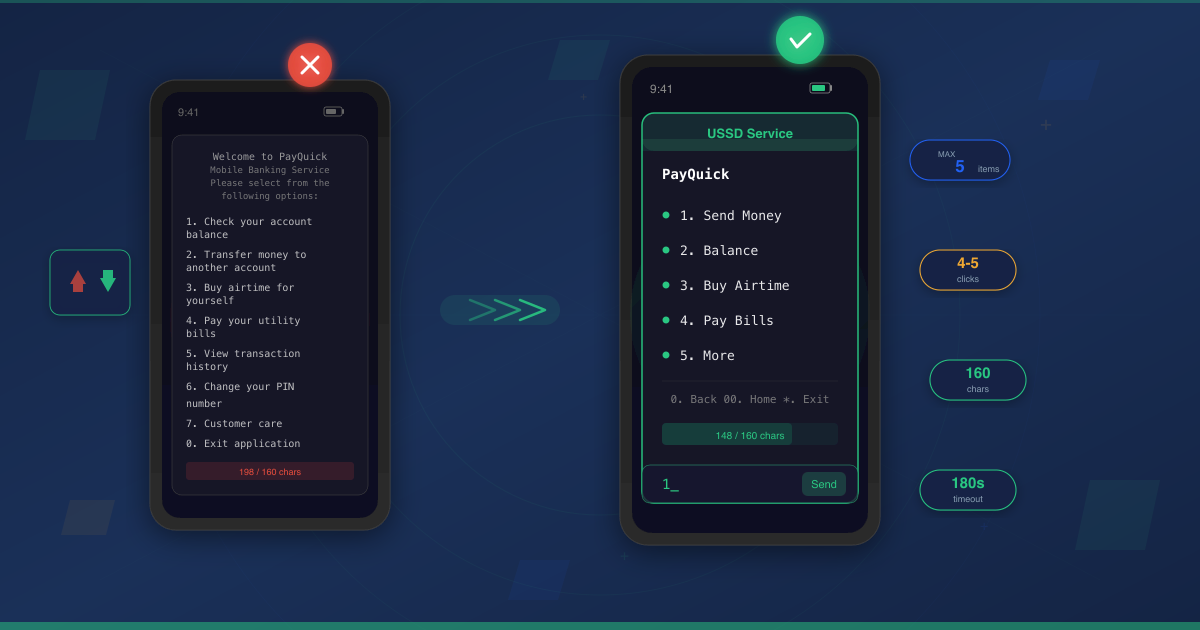
IVR service technology can reduce customer service costs by up to 30%, according to research by the Aberdeen Group.
For example, if you have ever called a company and heard an automated voice say, “Press 1 for sales, Press 2 for support,” you have already experienced IVR in action.
However, many people still wonder: what exactly is IVR service, and why do businesses rely on it so heavily today?
In fact, IVR, or Interactive Voice Response, is more than just a phone menu. It is a powerful business tool that helps companies enhance customer experience, save costs, and streamline operations.
This article covers everything you need to know about IVR: how it works, its benefits, challenges, industry applications, and future developments.
What is an IVR service?
IVR service is an automated telephony system that lets callers interact with a company’s database or call-routing system via keypad inputs or voice commands.
Instead of waiting to speak to a representative, customers can access self-service options, receive information instantly, or be directed to the right department.
In other words, think of IVR as the receptionist of the digital age. When a customer calls, the system greets them and provides clear instructions, often through pre-recorded menus or speech recognition.
Example:
- You call your bank’s customer care line.
- The IVR says: “Welcome. Press 1 for account balance, Press 2 for card services, Press 3 to speak to a representative.”
- You press “1” and immediately receive your balance information without speaking to a live agent.
This automation reduces call center workload while giving customers quick, convenient access to the services they need.
How the IVR service works
While IVR might sound complex, the process is straightforward. Here’s how it usually works behind the scenes:
- Caller initiates contact: The customer dials the company’s phone number.
- IVR greets the caller: A pre-recorded voice message welcomes them and offers menu options.
- Caller provides input: By pressing keypad numbers or using voice commands, the caller selects an option.
- System processes the request: The IVR system identifies the input and connects to the appropriate department, database, or agent.
- Action is completed: The caller either receives information, completes a self-service action, or gets transferred to a live agent.
Two types of IVR technology
The two (2) types of IVR technology include:
- DTMF (Dual-Tone Multi-Frequency): Uses keypad inputs, like pressing “1” or “2.” This is the most common type.
- Speech recognition IVR: Allows callers to speak naturally. For example, saying “Check my balance” instead of pressing a key.
Many businesses combine both methods to provide flexibility and a smoother customer experience.
Benefits of IVR service for businesses
So, why are businesses investing in IVR systems? Here are the main benefits:
Improved customer experience
IVR reduces long wait times by guiding callers directly to the information or department they need.
This ensures faster resolution and higher satisfaction. IVR reduces this frustration by directing callers to the right department or giving them instant answers.
24/7 Availability
Unlike human agents, IVR never sleeps. Customers can access services anytime, even at night or on holidays.
For example, checking a bank balance at 2 AM is simple with IVR.
For example, a customer can check their bank account balance at 2 AM without needing a human agent.
Cost and time savings
IVR handles repetitive inquiries, freeing agents to focus on more complex tasks.
This saves money and improves overall operational efficiency.
Professional image
Even small businesses appear more organized and reliable with a clear, well-structured IVR system.
Increased efficiency
IVR collects caller information before connecting to agents, ensuring faster and more accurate service when human interaction is necessary
Where is IVR in use?
IVR is everywhere, and you have already used it more than once this week without realizing it.
Here are some industries that rely heavily on IVR:
Banking and financial services
Banks use IVR for:
- Checking account balances
- Transferring funds
- Reporting lost cards
- Activating new cards
- Loan information requests
This makes financial transactions safer and quicker.
Telecom companies
Telecom providers use IVR to:
- Recharge prepaid accounts
- Check remaining data or airtime
- Register complaints
- Learn about new plans or offers
Healthcare sector
Hospitals and clinics apply IVR for:
- Booking appointments
- Getting test results
- Prescription refill requests
- Hospital information and directions
E-commerce and logistics
Online shopping platforms and courier companies use IVR for:
- Order tracking
- Delivery updates
- Return requests
- Customer feedback collection
Government and public services
Government agencies often employ IVR to provide:
- Information on public programs
- Bill payments (like electricity or water)
- Tax inquiries and submissions
Challenges of IVR service
While IVR offers many advantages, it is not without challenges. Poorly designed systems can frustrate customers rather than help them.
Here are some common issues businesses face when implementing IVR:
Overly complex menus
If callers are forced to go through too many layers of options before reaching the information they need, they may become annoyed and hang up.
A long or confusing menu can make the IVR feel like a barrier instead of a solution.
Lack of human touch
IVR systems are great for automation, but some customers prefer speaking with a live agent.
When systems make it too hard to reach a person, callers may feel undervalued.
Speech recognition errors
Not all IVR systems handle accents, background noise, or unclear speech well.
Misunderstandings can lead to wrong call routing and increased customer frustration.
Limited personalization
Traditional IVR often treats every caller the same, offering generic menus.
Without integration with customer databases, it may fail to provide personalized experiences.
Negative perception
Some customers associate IVR with being “trapped” in a system.
If not implemented carefully, IVR can harm a company’s reputation by making callers feel ignored or neglected.
Maintenance costs
While IVR saves costs in the long run, setting it up and maintaining it, especially advanced systems with AI integration, requires investment in both money and technical expertise.
Statistics and data points of the IVR service
IVR technology has proven its value across industries, and these numbers highlight why businesses continue to adopt it:
- According to the Aberdeen Group, implementing IVR can reduce customer service costs by up to 30%.
- A study by Forrester Research found that IVR systems can handle up to 70% of routine customer inquiries, freeing human agents for more complex issues.
- Cisco reports that 64% of consumers prefer self-service options for simple tasks, highlighting why IVR adoption is growing.
- Businesses using IVR have reported 20–40% faster resolution times than with traditional call routing, improving efficiency and customer satisfaction.
- Gartner predicts that by 2025, over 50% of all customer interactions will be automated, with IVR playing a central role.
- Call Centre Helper reports that IVR can reduce average call handling time by 20–25%, allowing agents to focus on high-value tasks.
- Companies with optimized IVR systems see up to 90% first-call resolution for routine inquiries, according to HDI.
- Grand View Research estimates that the global IVR market will reach $5.89 billion by 2027, driven by widespread adoption and investment.
- Avaya found that 75% of callers are more likely to stay on the line if they can get instant automated assistance before reaching a live agent.
- Zendesk research shows that 67% of customers have hung up due to long wait times, emphasizing the importance of efficient IVR routing.
These figures show clearly that IVR is not just a convenience; it is a strategic investment that reduces costs, speeds up service, and improves customer satisfaction.
The future of IVR: What is next for businesses and customers
The future of IVR goes beyond simple voice menus and keypad inputs. The future of IVR is intelligent, personalized, and integrated.
For businesses, IVR will:
- Integrate with AI, CRM, and cloud platforms
- Understand natural language and predict customer needs
- Provide real-time access to customer data for faster service
For customers, IVR will:
- Allow natural, conversational interactions
- Support multiple languages and dialects
- Offer personalized, 24/7 service without feeling automated
IVR is evolving from a basic call-routing tool to a strategic customer experience solution.
Companies that embrace these advancements will handle calls more efficiently while building stronger relationships with their customers.
IVR Service: The digital assistant every business needs
At its core, IVR is a digital assistant that helps businesses manage customer calls more effectively.
By automating responses, guiding callers, and reducing human workload, IVR improves both efficiency and customer satisfaction.
Moreover, even small businesses can deliver the same professional experience as larger corporations with a well-designed IVR system.
Also, not only does it save time and money, but it also builds trust, creates convenience, and sets the tone for every customer interaction.
As technology continues to advance, IVR will integrate with AI, chatbots, and cloud solutions, offering an even more personalized experience.
Therefore, for any business looking to grow, maintain loyalty, and run smoothly, IVR is no longer optional; it is essential.
If you are ready to transform your customer service and reduce operational costs, implementing an IVR system can streamline calls, improve satisfaction, and give your business a professional edge. In short, explore IVR solutions today!